
Manufacturers are placing greater emphasis on sustainable manufacturing practices, and energy-efficient industrial enclosure cooling is becoming a key part of that effort. As facilities look for ways to reduce energy consumption, improve equipment reliability, and lower their carbon footprint, several trends are shaping the future of enclosure climate control.
These trends include the use of smart cooling technology, integrated enclosure cooling systems, and climate inspections that help identify opportunities for improved performance and cost savings.
Smart Climate Control for Industrial Enclosures
Traditional enclosure cooling systems often lack the connectivity and real-time visibility needed to support efficient operation. Today’s smart climate control systems offer a more advanced approach by allowing manufacturers to monitor and adjust cooling performance based on actual demand.
With features such as remote monitoring, network alerts, and app-based controls, smart cooling units help manufacturers respond faster to changing production needs. These systems are also well suited for IIoT and Industry 4.0 environments, making them ideal for connected manufacturing operations.
Smart enclosure cooling solutions can also detect issues early, including coolant leaks or performance problems, helping teams reduce downtime and prevent unnecessary energy waste. For even greater sustainability, manufacturers can choose cooling systems that use low-GWP refrigerants, supporting environmental goals while maintaining effective thermal management.
Benefits of Smart Cooling Technology
- Better support for sustainable manufacturing initiatives
- Real-time monitoring of enclosure temperature and performance
- Remote access and control through connected platforms
- Faster response to maintenance issues and alarms
- Improved energy efficiency based on cooling demand
Integrated Enclosure Cooling Solutions
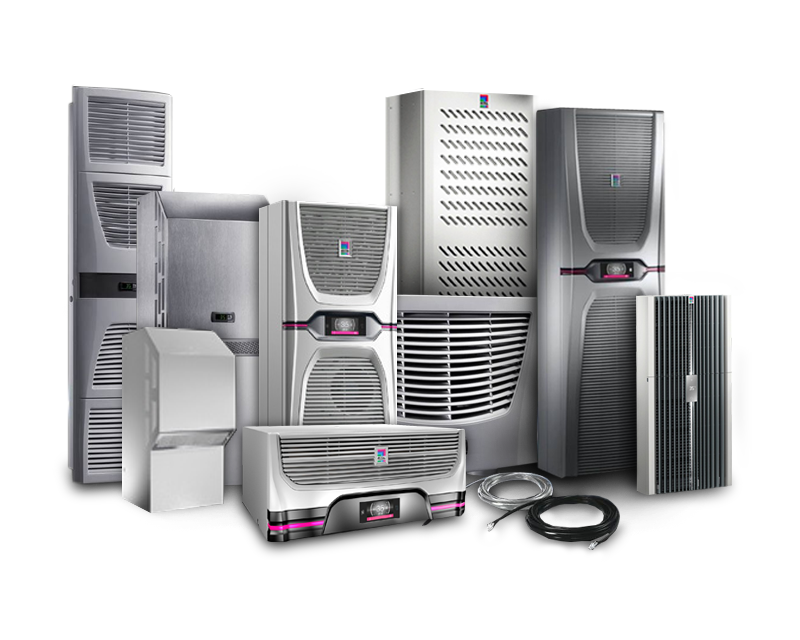
Integrated enclosure cooling is another important strategy for improving energy efficiency in industrial environments. These systems use high-performance fans and airflow management to remove heat from enclosures and transfer excess thermal loads outside the cabinet.
By improving airflow and heat dissipation, integrated cooling solutions can reduce energy use and lower operating costs. They can also minimize the need for large external cooling units, helping manufacturers save floor space and create more compact automation layouts.
For example, top-mounted fan and filter units provide effective thermal management without increasing the overall equipment footprint. Their accessible design can also simplify maintenance, helping reduce downtime and extend equipment life.
- Advantages of Integrated Cooling Systems
- Efficient airflow and heat removal
- Reduced energy consumption and operating costs
- Less need for external cooling equipment
- Space-saving enclosure cooling design
- Easier maintenance and improved serviceability

Why Climate Inspections Matter for Enclosure Cooling
Excessive heat can have a major impact on the performance and lifespan of electrical and control equipment. In many cases, cooling system problems are a leading cause of component failure. A professional climate inspection service or enclosure cooling audit can help identify inefficiencies, maintenance concerns, and risks before they cause production downtime.
An on-site inspection gives manufacturers a clear picture of how their enclosure cooling systems are operating and where improvements can be made to increase efficiency and reliability.
A climate inspection typically includes a full review of enclosure cooling equipment for cleanliness, function, and overall serviceability. After the assessment, manufacturers receive valuable data and recommendations to support better performance and energy savings.
Audit checklist includes:
- Unit locations and machine numbers
- Manufacturing dates
- Photos of equipment
- Ambient and enclosure temperature readings
- Incoming voltage measurements
- Vibration and noise levels
- General observations on equipment condition
After the inspection, you’ll receive a full inventory report and an energy efficiency assessment with recommendations for reducing operating costs, lowering energy usage, and decreasing your facility’s carbon footprint.
Receive a full inventory and energy efficiency report post-inspection and solutions for reducing costs, energy usage, and your carbon footprint. Contact your account manager to schedule your Climate Inspection.
Sustainable Manufacturing Starts With Better Enclosure Climate Control
As manufacturers continue to focus on sustainability, industrial enclosure cooling systems play an increasingly important role in improving efficiency and protecting critical equipment. By adopting smart climate control, implementing integrated cooling solutions, and scheduling regular climate inspections, facilities can reduce energy waste, improve uptime, and support long-term sustainability goals.
Rittal’s enclosure climate solutions are designed to help manufacturers optimize thermal management, improve energy efficiency, and move closer to their sustainability targets. Contact us or your Account Manager for more information!